How Our Tree Removal Cost Estimator Works
Getting a fair price for tree work shouldn't be a guessing game. Our tree removal cost estimator is designed to give homeowners a realistic baseline before they call a contractor. By understanding the key variables—height, species, and accessibility—you can separate honest quotes from overpriced bids.
While no online tool can replace an in-person assessment by a certified arborist, this estimator uses 2026 national averages to provide a solid starting point. It accounts for the soaring insurance premiums and equipment costs that have driven prices up this year.
Variables That Feed the Estimator
A simple "flat rate" doesn't exist in tree care. When you use a tree removal cost estimator, it is calculating the difficulty of the job based on specific inputs.
Height and Volume
Height is the biggest multiplier. A 20-foot small tree removal cost is negligible compared to an 80-foot giant. Taller trees require larger crews, longer ropes, and more time to dismantle safely.
Species Complexity
The type of tree matters. Oak tree removal cost is higher because oaks are dense and heavy. Pine tree removal cost might be lower per foot because pines are softer and have fewer lateral branches. Palm tree removal cost has its own unique disposal fees due to the fibrous trunks.
Estimator Accuracy vs. Final Quotes
An online estimator gives you the "standard" price. However, real-world conditions can introduce surcharges that an algorithm might miss.
- Emergency Surcharges: If a storm knocks a tree onto your roof, emergency tree removal cost rates apply. These are often double the standard rate.
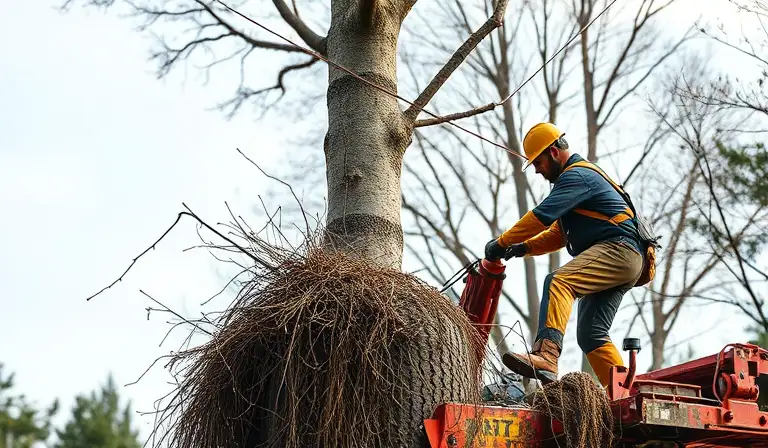
- Crane Requirements: If the tree is dead or unsafe to climb, the crew might need heavy machinery. This adds a specific crane tree removal cost fee to the project.
- Stump Processing: Most estimators for "removal" cover taking the tree down to the ground. Stump removal cost (grinding) is usually an add-on service.
Using Estimates to Negotiate
Knowledge is power. If our estimator says a job should cost $1,200 and a contractor bids $2,500 without a clear reason, you know to ask questions.
Always get three estimates. Use the figures from this tool as your anchor. If a bid comes in significantly lower than the estimate (e.g., $400 for a large tree), be wary—they might be uninsured.